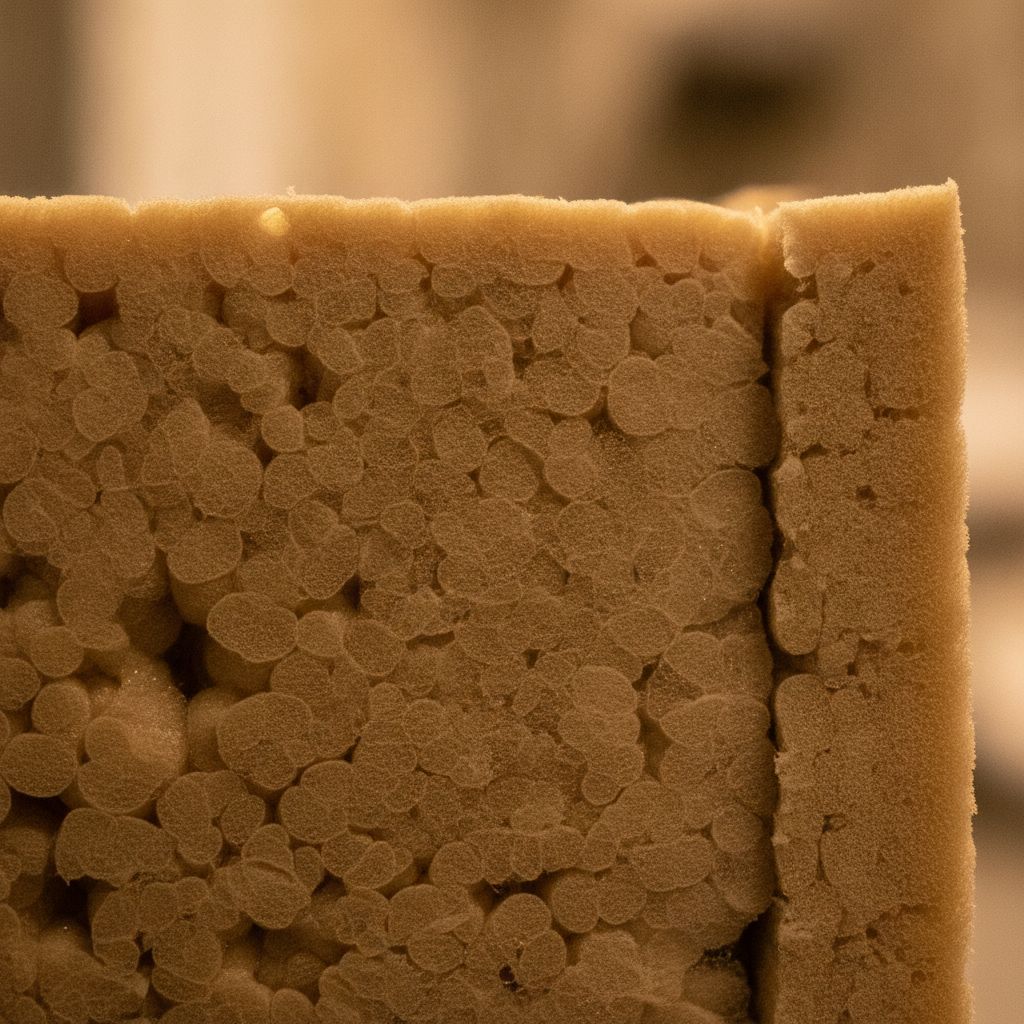
The Science
Why Spray Foam Becomes a “Red Flag” — The Reputation Science
The building-science reasons some spray foam jobs turn into resale, insurance, and mold problems — and why it almost always traces back to installation, not the material.
Search “spray foam insulation” long enough and you'll run into a consistent, current concern: real estate agents warning it's hard to sell a house with it, insurance underwriters flagging it during inspection, and homeowners describing mold discovered behind it years later. This is a real pattern, not internet myth — but the building science behind it points somewhere more specific than “spray foam is dangerous,” and the distinction matters if you're evaluating a project.
This page covers that pattern honestly: what's actually happening when a spray foam job goes wrong, why it creates outsized concern in real estate and insurance contexts, and what separates a job that becomes a problem from one that performs exactly as designed for decades.
Why Real Estate and Insurance Are Skeptical
Once spray foam is applied to the underside of a roof deck, it's no longer possible to visually inspect that deck for rot, water staining, or prior damage without removing the foam — which is expensive and destructive. That opacity is the core of the real estate and insurance concern: a home inspector or underwriter can no longer verify roof deck condition the way they could with an unfinished attic, so a portion of the reasonable caution is about lost visibility, not a defect in the foam itself.
Layered on top of that legitimate visibility concern is a real history of poor installations — off-ratio mixing, wrong product for the climate, or application over wood that was already wet — that did cause genuine, expensive problems for some homeowners. Those cases get discussed publicly far more than the large number of foam installations that have performed correctly for 15-20+ years, which skews the public conversation toward the failure cases.
How a Bad Installation Actually Creates These Problems
Almost every documented spray-foam-related moisture or mold problem traces back to one of a small number of installation-quality root causes, not the chemistry itself. Applying closed-cell foam directly over roof sheathing with elevated moisture content (from a pre-existing leak, condensation, or the wood simply not being dry enough at application time) seals that moisture in — closed-cell foam becomes a vapor retarder at sufficient thickness, and if there's already water on the wrong side of that retarder, it has nowhere to go and no way to dry out.
Off-ratio mixing (covered in depth on the Off-Ratio & Improper Cure Science page) is the second major root cause — it produces foam that shrinks, pulls away from framing, and creates gaps where condensation can form on the newly-exposed cold surface, which is a very different failure mode than “the foam grew mold” but gets reported the same way by a frustrated homeowner.
What a Correct Installation Actually Requires
A qualified installer measures roof deck or wall sheathing moisture content with a calibrated meter before spraying — most manufacturers specify a maximum moisture content (commonly around 19% for wood framing) below which application is safe. They select open-cell or closed-cell based on the specific assembly's vapor-drive direction for that climate zone, not by default habit. They calibrate the proportioner and verify ratio before starting the job, and they document the application (photos, moisture readings, thickness) as evidence the work was done correctly.
None of that is exotic or expensive relative to the job cost — it's standard professional practice. Its absence, not the foam itself, is what produces the failure cases that drive the reputation problem.
The Honest Bottom Line
Spray foam's reputation risk is real and worth taking seriously if you're planning a project or evaluating a home that already has it — but the risk is concentrated in installation quality and assembly-appropriateness, not in the chemistry. A correctly specified, correctly installed spray foam job doesn't trap moisture, doesn't shrink or off-gas persistently, and doesn't become the kind of problem that shows up in these stories. The practical takeaway is to vet the installer's process, not to avoid the material category outright.
Key Takeaways
- The real estate/insurance concern is partly about lost visual inspection access to the roof deck, not only about the foam itself.
- Nearly all documented moisture/mold problems trace to applying foam over wood that was already too wet, or off-ratio mixing — both installation-quality failures.
- A qualified installer checks substrate moisture content and calibrates the proportioner before spraying — the absence of that process is the actual risk factor.
- The right response to this reputation pattern is vetting installation quality, not avoiding spray foam as a category.
Common Questions
The Reputation Problem FAQs
Real questions people ask before starting a spray foam project.
Related Topics
Open-Cell vs. Closed-Cell Chemistry
The polyurethane chemistry that separates open-cell and closed-cell spray foam, and what it actually means for performance.
Read moreR-Value & Real-World Thermal Performance
How spray foam's R-value is measured, why lab and field numbers diverge, and what actually drives thermal performance in a real assembly.
Read moreOff-Ratio & Improper Cure Science
What happens chemically when spray foam is mixed off-ratio, how it causes shrinkage and odor complaints, and how proper application prevents it.
Read more
Ready to Talk to a Certified Installer?
Get matched with a vetted spray foam installer from CCA's network — free, no obligation, and grounded in the same building science you just read.